What Is the Ovulation Period and How Do You Find It?
By MomBaby CornerUpdated: 4 min readहिन्दी में पढ़ें
Summary
Every month a mature egg is released from a woman's ovary. This time is called ovulation, and it repeats every month. Learn how to find your ovulation period.
📑 Contents
Ovulation period
Every month a mature egg is released from the ovary in every woman's body. This time is called ovulation, and it repeats every month. The timing of ovulation differs from woman to woman. A woman's menstrual cycle may be 28 or 30 days long. When a woman is in her ovulation period and has intercourse at that time, her chances of becoming pregnant are highest, because a woman becomes pregnant only around the time of ovulation.
What is the right time for pregnancy?
To conceive, a woman needs to be in her ovulation period. If a woman dreams of becoming a mother, she needs to know her ovulation period. If she knows her ovulation period, she can enjoy motherhood sooner, so we can say that having intercourse during ovulation is extremely important.
Ovulation starts 14 days after the day a woman's period begins, and it lasts about 4 to 5 days. For example, if a woman's period started on 1 May, her ovulation will start on 14 May, and if she has intercourse daily from 2 days before the 14th to 2 days after the 14th, the chances of pregnancy are said to be 100%.
Example
Date the woman's period started: 1 May
Ovulation is 14 days later, that is,
ovulation period: 14 May
Dates for intercourse: 12, 13, 14, 15, 16
For more information, also read: Ovulation calculator
How many days does ovulation last?
The ovulation period lasts 4 to 5 days. On the first day of ovulation the chance of pregnancy is 25%, then 50%, and there is one day of ovulation when the chance of pregnancy is 90%. That is why it is said to have intercourse daily from 2 days before ovulation to 2 days after.
Symptoms of the ovulation period
If a woman is in her ovulation period, she may notice some symptoms, such as:
Pain in the abdomen
A very strong desire for sex
Opening of the cervix
A rise in body temperature
Back pain
Tiredness
A thick fluid discharge from the vagina
Pain in the pelvic area
Nausea
Ovulation calculator: find your ovulation time in just 1 minute
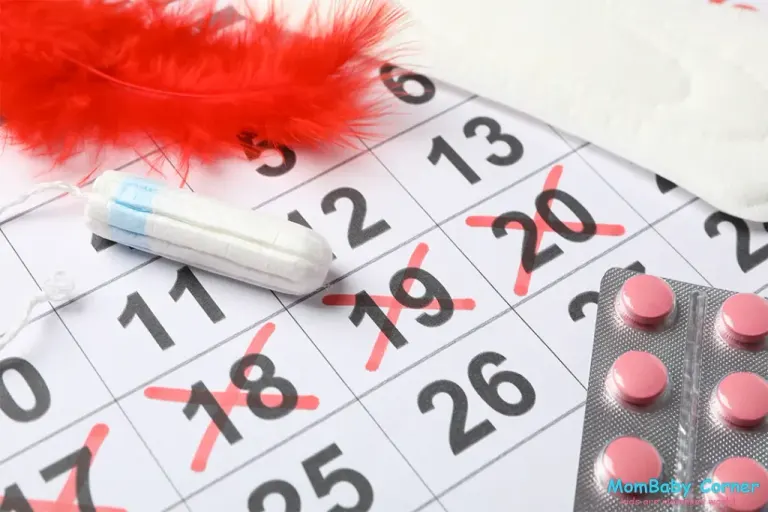
If a woman subtracts 14 from the date of her period, she gets her ovulation time. In simple words, ovulation happens 14 days after the start of the menstrual cycle, and this is when the chance of conceiving is highest. We have told you about the ovulation calculator in another article. For more information, see the ovulation calculator
Period date: 30 May
Ovulation time: 30 - 14 = 16 June
Ovulation will start on 16 June
Signs of pregnancy after ovulation
When a woman becomes pregnant around ovulation, she will notice some symptoms, such as:
Implantation bleeding
Frequent urination
Gas in the stomach
Feeling like vomiting
A bloated stomach
Constipation
Headache
Swelling and pain in the breasts
A rise in blood pressure
Morning sickness
Stress
Ovulation period for a baby boy
These days there are many online apps that can help you work out your ovulation period. You enter the date of your last period, and they tell you your ovulation period, and we have also told you above in this article how to work out ovulation time. Once you know your ovulation period, have intercourse daily from 2 days before to 2 days after ovulation, and be sure to have intercourse on the last day of ovulation, because it is said that intercourse on the last day of ovulation may lead to a baby boy.
Frequently asked questions
How many days does ovulation last?
Ovulation lasts 4 to 5 days, and on one of those days the chances of pregnancy are very high.
How many days after the period does ovulation happen?
Your ovulation time starts 14 days after the date your period started.
How many days after the period ends should you have intercourse?
From 14 days after the day the woman's period started, you should have intercourse daily or every other day. After 14 days from the start of the period, the chances of pregnancy are very high.
How do you know you have conceived?
If you urinate frequently, feel nauseous every day and have gas in the stomach, you may be about to become a mother.

The MomBaby Corner teamEasy-to-follow pregnancy, baby care and parenting information. How we write →