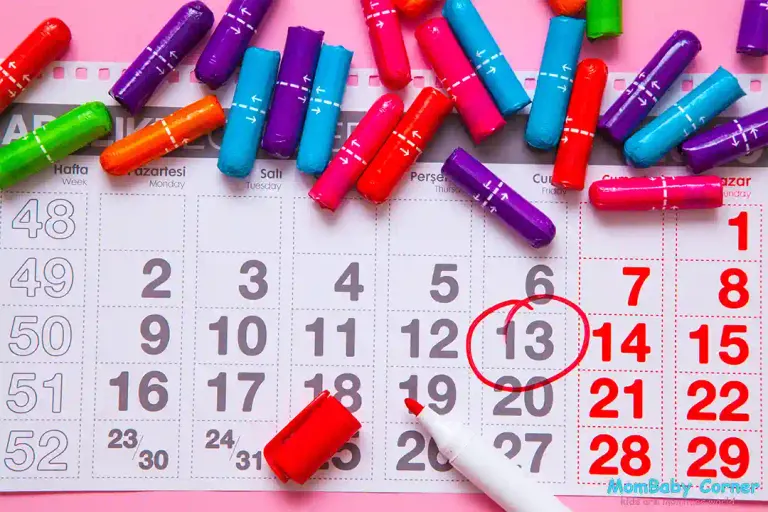
How Does Pregnancy Happen? Complete Guide to Conception
By MomBaby CornerUpdated: 6 min readहिन्दी में पढ़ें
Summary
In this article we explain how pregnancy happens, how many days after a period a woman can conceive, and the stages from ovulation to implantation.
📑 Contents
Many questions about pregnancy must come to your mind. At MomBaby Corner we give you complete information in this article about how pregnancy happens, what the right time for pregnancy is, why a woman may not conceive, what precautions to take in pregnancy, and how many days after a period a woman can become pregnant.

After marriage, every woman dreams of becoming a mother. Becoming a mother is the happiest feeling for a woman. When a woman becomes a mother for the first time, her happiness doubles. Every couple these days wants to become parents. But many women and men do not know which time is right for pregnancy. They have intercourse every day but cannot succeed.
For pregnancy, a woman must be in her ovulation time. A woman becomes pregnant when a woman and a man have intercourse. We all know this, but let us learn in full how soon after intercourse, and how, pregnancy happens.
First we should know one thing: only a mother can give a new life, because only a mother gives birth to a baby. The whole process of pregnancy takes place inside a woman's body. So it is essential for a woman's reproductive organs to be healthy. So first we tell you about some of the reproductive organs.
Reproductive organs:
What is the ovary?
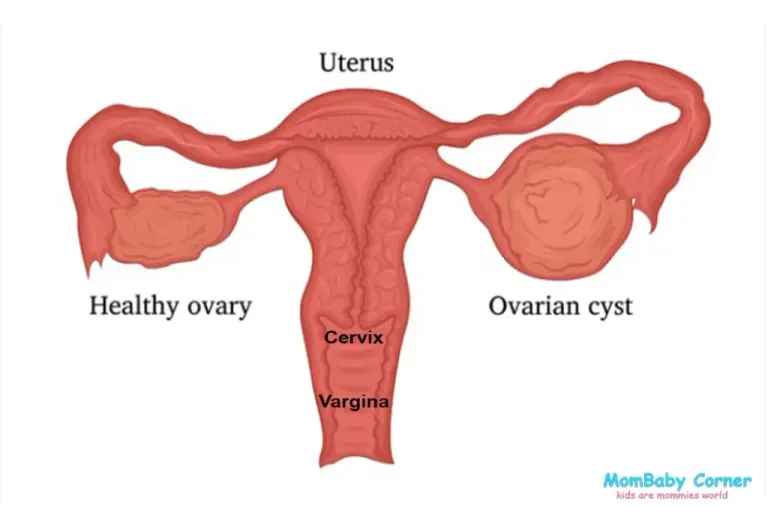
Every month an egg is released from a woman's ovary, and it stays alive in the woman's body for about 24 hours. If a man's sperm meets the egg, the egg is fertilized by the sperm and the woman becomes pregnant. The process of pregnancy then goes forward. The hormones estrogen and progesterone are also made in the ovary.
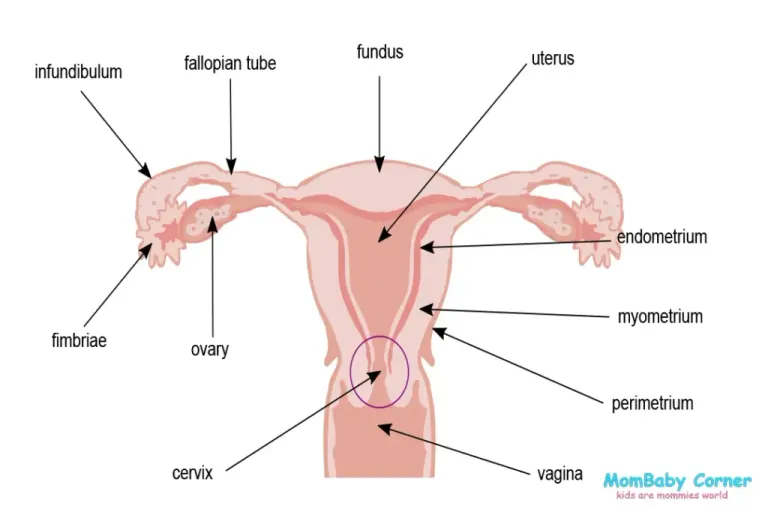
Fallopian tube
For a woman to become pregnant, the woman's egg and the man's sperm must meet. The egg and sperm meet in the fallopian tube.
Every month an egg leaves the ovary of a woman's body and then travels through the fallopian tube toward the uterus. It stays in the fallopian tube for 12 to 24 hours. If the man's sperm does not meet it within 12 to 24 hours, it leaves with the menstrual bleeding.
If it meets the man's sperm, the woman becomes pregnant. If the sperm fertilizes the egg, the fertilized egg then travels through the fallopian tube to the uterus.
Now let us learn the stages of pregnancy
It is important to understand the stages of pregnancy. Let us give you the full details of these stages.
- Ovulation
- Fertilization
- Implantation
What is ovulation time and how do you know it?
Every month an egg is released from a woman's ovary. This is called ovulation. It happens again and again every month. Every woman's ovulation time is different. A woman's menstrual cycle can be 28 or 30 days long.
If a woman has her period on the 1st, her ovulation will be on the 14th. That is, we can say ovulation time starts 14 days later, and if your cycle is 30 days, your ovulation will be on the 16th. In simple words, the chances of pregnancy are highest 14 days after the period.
Ovulation calculator
Mark the day your period begins on a calendar, for example 1 January. If your next period comes on the 26th, your cycle length is 26 days.
If your cycle length is 26 days, then by the rule we subtract 14:
26 - 14 = 12
If your cycle length is 30 days: 30 - 14 = 16
If your cycle length is 26 days, by the rule you subtract 14, so your ovulation will be on day 12. Your ovulation time will be 12 January. If you have intercourse 2 or 3 days before and 2 or 3 days after the 12th, the chances of pregnancy are highest. That is, if you have intercourse on the 10th, 11th, 12th, 13th and 14th, it is possible to become pregnant with a 90% chance. When an egg leaves the ovary, it lives for 24 hours. If the man's sperm meets it at that time, the woman becomes pregnant. A man's sperm stays alive in a woman's body for 5 to 7 days. We say that it is important to have intercourse two or three days before or two or three days after ovulation, so that the woman becomes pregnant.
Fertilization
The process of fertilization takes place in a woman during ovulation. If a woman is ovulating and the man's sperm is in her fallopian tube at that time, the woman's egg is fertilized by the man's sperm.
This is called fertilization.
Keep in mind that a woman's egg lives for about 24 hours, and a man's sperm lives for 5 to 7 days in the fallopian tube. A woman becomes pregnant only after fertilization. Right after fertilization the baby's genes and sex are set.
Implantation
Conception can happen 3 minutes after intercourse, or it can take up to 5 days. When a woman's egg meets a man's sperm in the fallopian tube, it is called fertilization. Implantation happens 5 to 10 days after fertilization. When the egg reaches the lining of the uterus, it begins to become an embryo. Fertilization can happen within a few minutes of intercourse, but it can take 2 to 3 days.
After fertilization, the egg stays in the fallopian tube for about 3 to 4 days. 24 hours after fertilization its cells begin to divide quickly. The dividing egg slowly begins to travel through the fallopian tube into the uterus, and then divides into more cells. These cells take the shape of a ball called a blastocyst. The blastocyst stays in the uterus for only 2 to 3 days, and if it sticks to the wall of the uterus, this is called implantation. Pregnancy begins from that time.
When pregnancy does not happen
- A blocked or narrowed fallopian tube can also prevent pregnancy.
- Washing the penis and testicles with hot water after intercourse is also said to prevent pregnancy.
- Heavy drinking or smoking by the woman and the man also reduces sexual ability.
- If the woman is severely overweight, pregnancy may not happen.
- An irregular diet can also prevent pregnancy.
The biggest cause of not conceiving is stress. These days people become stressed when a baby does not come on time. Too much stress reduces the functioning of the egg and sperm.
Precautions to take in pregnancy
- Remember not to have intercourse while stressed. If you become pregnant, stay very happy and keep your blood pressure (B.P.) normal. Do not let your blood pressure rise, because high blood pressure reduces the chance of a normal delivery.
- Do not eat papaya or pineapple at all in the first 6 months. They can cause miscarriage.
- Do not lift any heavy things in the first 3 months.
- When a woman is pregnant, she should reduce the amount of tea a little. Tea contains caffeine, so avoid it as much as you can, and if it is really necessary, have only one cup of tea a day.
- During pregnancy eat only healthy food, so that you and your baby stay healthy.
- During pregnancy keep eating something every 2 hours. Drink coconut water in the morning, which is said to keep the baby's skin soft. Eat an apple at breakfast time. Also keep taking your doctor's advice from time to time.
There are some exercises that prepare your body for a normal delivery and also reduce the pain of childbirth. We have told you about pregnancy exercises in another article. For more information, see our article Exercises during pregnancy
Tags:#pregnancy test#pregnancy#pregnancy kit

The MomBaby Corner teamEasy-to-follow pregnancy, baby care and parenting information. How we write →