How to Increase Breast Milk Supply: Foods and Tips for Breastfeeding Mothers
By MomBaby CornerUpdated: 7 min readहिन्दी में पढ़ें

Summary
Breast milk is the most nutritious food for a newborn. Learn which foods and habits can help increase your milk supply, and what a breastfeeding mother is advised to avoid.
Breast milk is considered the most nutritious food for a newborn. A mother should feed her baby only her own milk for 6 months. Breast milk helps a baby develop well, and it is like nectar for a newborn. Experts also believe that a baby should be given only breast milk for 6 months. If for some reason milk is not being produced, you can give your baby formula milk on your doctor's advice.
When a woman's milk supply is low, the baby often stays hungry, which becomes a worry for mothers, and they become stressed and irritable. Always remember that the more stressed you are, the lower your milk supply will be, because when you are stressed your hormones change. So a breastfeeding woman should not stay stressed, and should be as happy as possible.
A woman's body starts producing milk from the time she is pregnant; it is not that milk is made only after the baby is born. These days we hear a lot that "the mother's milk is not coming, so we are giving the baby formula milk." Sometimes, because of some problems, the mother's milk does not come out well, and the woman starts giving her baby formula milk so that the baby does not stay hungry. It is fine for a mother to think this way.
Hello moms, do not worry at all, because in this article MomBaby Corner tells you which foods to include in your diet so that your milk supply is good:
Coconut:

You should add coconut to your diet. You can make coconut laddus and eat them, or have laddus made with edible gum (gond) and coconut. Coconut will also help your milk flow well.
Fenugreek (methi):
Fenugreek will improve both the quality and the quantity of your milk. You can have fenugreek water or fenugreek laddus. Fenugreek is also used in vegetable dishes in homes, so you can also have fenugreek through vegetables.
Gond laddus (edible gum laddus):
Gond laddus have a lot of energy and also help increase the amount of milk. It is considered good to eat gond laddus after having a baby. You should eat gond laddus two to three times a day. You can mix them with coconut to make laddus.
Fennel seeds (saunf):
Eating fennel seeds helps milk production, and also reduces gas, so you can have fennel seeds daily after meals. You can also drink fennel water.
Cumin (jeera):
Roast cumin and grind it into powder, then take one spoonful daily with water, or with milk. This will help milk come in very quickly. If you take cumin powder well for a week, your milk will start to flow well.
Shatavari:
Mix shatavari powder with cumin powder and take one spoonful morning and evening, or make a mixture with milk. This also helps milk come in very quickly, and the baby's stomach begins to fill.
Porridge (daliya):

A breastfeeding woman should include porridge in her diet, because porridge contains many nutrients that can increase your milk supply and improve both the quality and the quantity of your milk. You can include porridge in your diet with milk or as khichdi.
Oatmeal:
Oatmeal (oats) has a lot of energy. It contains fiber, which helps your digestion.
You can have a bowl of oatmeal for breakfast every morning.
Dried fruits and nuts:
A breastfeeding woman should eat dried fruits and nuts, because they contain vitamins, minerals and plenty of protein. You can have them dry or with milk, which will improve the quality and quantity of your milk.
Basil (tulsi):
Basil contains many vitamins. So a breastfeeding woman should use basil in her food. You can put it in tea or soup. This also helps your milk supply.
Black sesame seeds:
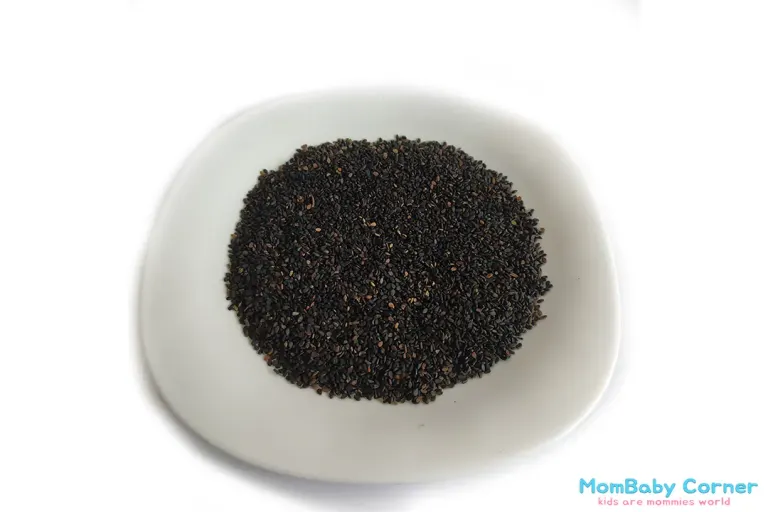
Black sesame seeds contain a good amount of calcium. We can also use them in our diet to increase milk.
Green leafy vegetables:
Eating green leafy vegetables helps a woman's milk supply and also improves the quality of her milk, which helps keep your baby healthy and also makes up for any lack of blood (iron), so include spinach, mustard greens and similar vegetables in your diet.
Milk:
It is important for a breastfeeding woman to drink milk 5 to 6 times a day, so that her milk comes in well and the baby stays healthy. The baby's stomach will fill well.
Water:
A breastfeeding woman should drink 8 to 10 glasses of water every day. The more water you drink, the more milk you will make.
Massage your breasts
If a woman massages her breasts clockwise and counter-clockwise with lukewarm coconut oil or any oil, the ducts inside open, so the milk starts to flow well.
Feed your baby every 2 hours
Feed your baby every 2 hours, because the more the baby draws your milk, the more your milk ducts open, and your milk will start to flow well.
When a baby is born, the baby does not know how to feed at all, so you have to teach your baby to feed: open the baby's mouth and bring the baby to your nipple so that they learn to feed. You should keep feeding every 2 hours, which will teach your baby to feed and also help your milk come in.
If you feed your baby your milk every 2 hours, you will make more milk, because the more the baby draws your milk, the more your milk ducts open, and your milk will start to flow well.
What a breastfeeding woman should not eat
Spicy food:
A woman who breastfeeds her baby should remember not to eat too much spicy or fried food, because food with a lot of chili and spice can cause the baby diarrhea and indigestion, and too much fried food can cause gas, and when the baby drinks your milk, the baby may have a stomach ache.
Coffee:
Coffee contains a lot of caffeine, which can harm your baby's health, so a breastfeeding woman should not have coffee. It is said that even a small amount of caffeine can reduce the milk in the breasts.
Citrus fruits:
Citrus fruits contain a lot of vitamin C. A breastfeeding woman should not eat citrus fruits such as lemon and orange, because they can upset your baby's stomach. If you want vitamin C, you can eat papaya.
Alcohol:
A woman who breastfeeds her baby should not drink alcohol, as it will affect the baby's health and mental development. So after a baby is born, a woman should not drink alcohol for at least one year.
Broccoli:
A breastfeeding woman should not eat broccoli, cabbage, cauliflower or cucumber, as they can give the baby gas.
Refined flour (maida):
A woman who breastfeeds should not eat refined flour, because it is not digested quickly, and the milk made from it will not be easily digested by the baby, so do not include refined flour in your diet.
Kidney beans and chickpeas (rajma, chole):
A breastfeeding woman should not include kidney beans and chickpeas in her diet, because they will give you gas and a bloated stomach, and the milk made from them can give the baby loose stools (diarrhea), so do not eat rajma and chole for some time.
Mint (pudina):
Do not take mint in chutney or any other form, because mint reduces the amount of milk you make, so you should not eat mint for a year.
Brinjal (eggplant):
Brinjal is very "windy" (gas-forming), which can cause gas. So a breastfeeding woman should not eat brinjal either.
Corn:
When a woman breastfeeds her baby, she should not include corn in her diet, because corn is very heavy food and is not digested quickly. If someone in your family is allergic to corn, your baby can also be allergic to it, with skin problems such as rashes (red marks), patches or pimples.
Garlic:
If a woman who breastfeeds eats garlic, the smell of garlic stays in her milk for some time, and the baby may even stop drinking milk. We often hear that a baby has suddenly stopped drinking milk and "we don't know what happened." In fact, sometimes we eat something whose smell and taste the baby does not like, and when the baby drinks the milk they suddenly pull away. This is the reason a baby suddenly stops drinking milk.
Tags:#breastfeeding

The MomBaby Corner teamEasy-to-follow pregnancy, baby care and parenting information. How we write →