Why Does Breast Cancer Happen in Women? Causes, Symptoms, Stages and Treatment
By MomBaby Corner10 min readहिन्दी में पढ़ें

Summary
Breast cancer is one of the most common cancers in women. Learn its causes and risk factors, symptoms, prevention, stages and treatment options.
📑 Contents
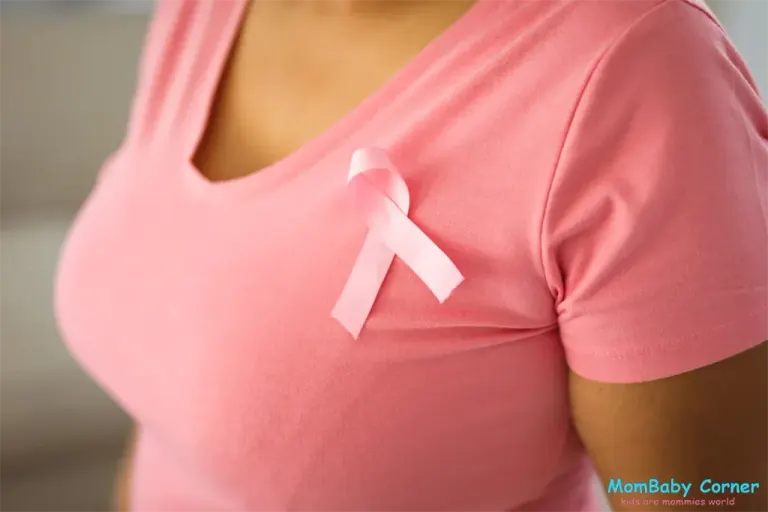
Breast cancer is a subject that creates fear in the hearts of many women. It is one of the most common cancers in women, with a major impact on their lives and families. Understanding why breast cancer happens is essential for prevention and early detection. In this blog we discuss the causes, symptoms and treatments of breast cancer in detail, to help you make informed decisions about your health.
Understanding the basics
Before we look at causes, symptoms and treatments, it is important to have a basic understanding of what breast cancer is. Breast cancer occurs when cells in the breast begin to grow uncontrollably, forming a lump or mass called a tumor. If left untreated, these cancer cells can spread to other parts of the body.
What is the main cause of breast cancer in women?
Breast cancer has no single known cause, but several risk factors have been identified that can increase a woman's chance of developing the disease. It is important to note that having one or more risk factors does not guarantee you will get breast cancer, and some women develop the disease without any clear risk factor. Here are some common risk factors linked to breast cancer:
Causes and risk factors of breast cancer
Age
The risk of breast cancer rises with age. Most breast cancers are diagnosed in women over 50.
Sex
Although breast cancer can affect men, it is far more common in women. This is because of the presence of breast tissue in women, which makes them more susceptible.
Family history
A family history of breast cancer, especially in close relatives such as a mother, sister or daughter, can raise the risk.
Genetics
Certain genetic mutations, such as in the BRCA1 and BRCA2 genes, are linked to a significantly higher risk of breast cancer. Genetic testing can help identify these mutations.
Hormonal factors
Greater exposure to estrogen over a woman's lifetime, whether from early menstruation, late menopause or hormone replacement therapy, can raise the risk.
Radiation exposure
Previous radiation treatment to the chest area, often for other cancers, can raise the risk.
Obesity
Being overweight or obese, especially after menopause, is linked to a higher risk of breast cancer.
Alcohol consumption
Excessive alcohol consumption has been linked to a higher risk of breast cancer.
Diet and physical activity
A diet rich in processed foods and a lack of physical activity may contribute to higher risk.
Reproductive history
Women who had their first child after the age of 30, or who never had children, have a slightly higher risk.
Symptoms of breast cancer
Early detection is important for successful breast cancer treatment. Knowing the common symptoms can help women recognize possible problems and get medical help promptly. Here are some key symptoms of breast cancer:
A lump in the breast
The most common symptom is a lump or mass in the breast or under the arm. Not all lumps are cancerous, but any unusual change should be evaluated by a health care professional.
Changes in the size or shape of the breast
Dimpling, puckering or a change in shape in the breast can signal a problem.
Nipple changes
These can include an inverted nipple, discharge, or changes in the skin around the nipple.
Breast pain
While breast pain is often linked to benign conditions, it can sometimes be a symptom of breast cancer too.
Skin changes
Redness, warmth or a rash on the skin of the breast can signal a problem.
Swelling
Unexplained swelling in the breast or underarm area should not be ignored.
Important point
It is important to remember that these symptoms can also be caused by non-cancerous conditions, but if you notice any change, it is essential to consult a health care professional for a thorough evaluation.
Prevention and ways to lower your risk
Prevention and early detection are the best defense against breast cancer. Although there is no sure way to prevent breast cancer, there are several strategies and measures that can help reduce your risk:
Regular screening
Mammograms and clinical breast exams are essential for early detection. Women should follow the recommended screening guidelines for their age and risk factors.
Breast self-exam
Although not a substitute for clinical exams, regular breast self-exams can help women become familiar with their breasts and notice any change.
Healthy lifestyle choices
Maintaining a healthy weight, staying physically active and following a balanced diet rich in fruits and vegetables can lower your risk.
Limit alcohol
Reducing alcohol intake or avoiding it completely can help lower the risk of breast cancer.
Hormone replacement therapy
If you are considering hormone replacement therapy for menopause symptoms, discuss the risks and benefits with your health care provider.
Genetic counseling and testing
If you have a family history of breast cancer, genetic counseling and testing can give valuable information about your risk.
Breastfeeding
Breastfeeding may have a protective effect against breast cancer, so if you are able, consider breastfeeding your children.
Early check-ups
Be proactive about seeking medical help if you notice any change in your breast or experience symptoms. Early detection can greatly improve treatment results.
Breast cancer treatment options
If breast cancer is diagnosed, various treatment options are available, depending on the type and stage of the cancer. These treatments can include surgery, radiation therapy, chemotherapy, targeted therapy and hormone therapy. The specific treatment plan will be decided by your health care team, and it is important to discuss the possible side effects, risks and benefits of each option.
How quickly does breast cancer spread?

The rate at which breast cancer spreads can vary widely depending on various factors, including the type and stage of the cancer, individual biology and the effectiveness of treatment. Breast cancer generally spreads over a long period, not in a few days. The process of cancer spreading to other parts of the body is called metastasis. In general, breast cancer usually grows slowly, and it can take months or even years to metastasize. However, some aggressive subtypes of breast cancer can spread more quickly. It is important to understand that early detection and treatment greatly increase the chance of stopping or delaying the spread of breast cancer.
How can you detect breast cancer?
Regular screening, such as mammograms and clinical breast exams, is important for early detection, because they can identify breast cancer at an earlier, more treatable stage. If you suspect you may have breast cancer or are worried about your breast health, it is essential to consult a health care professional right away. They can provide an appropriate diagnosis based on your specific circumstances and suggest suitable treatment options. What is the HCG hormone?
Newer breast cancer treatments
As of early 2022, treatment options for breast cancer were constantly evolving, with ongoing research and clinical trials. New treatments and approaches were being developed to improve results and reduce side effects. Here is an overview of some of the newer treatment approaches and trends in breast cancer treatment up to that point. Please check current medical sources for the latest information.
Immunotherapy
Immunotherapy has shown promise in treating some types of breast cancer. Immune checkpoint inhibitors such as pembrolizumab were being tested in clinical trials for some breast cancer subtypes.
Targeted therapy
Targeted therapies are drugs that target specific molecules involved in the growth of cancer. In some cases they were used in combination with traditional treatments. For example, CDK4/6 inhibitors, such as palbociclib, were being used in combination with hormone therapy for some hormone receptor-positive breast cancers.
Precision medicine
Advances in genetic testing and in understanding specific gene mutations have led to more personalized treatment plans. For example, the presence of BRCA mutations can influence treatment decisions, including the use of PARP inhibitors.
Minimally invasive surgery
Surgical techniques continued to develop with a focus on reducing how invasive the procedures are. This included options such as nipple-sparing mastectomy and sentinel lymph node biopsy.
Improvements in radiation therapy
Advances in radiation therapy aim to deliver more precise treatment while reducing damage to healthy tissue.
Adjuvant treatments
After surgery, adjuvant treatments (chemotherapy, hormonal therapy or targeted therapy) were used to lower the risk of the cancer coming back.
Genomic profiling
Genomic profiling tests helped identify specific features of a tumor, guide treatment decisions and avoid overtreatment.
Lifestyle and supportive care
A growing focus on patient well-being includes addressing side effects and improving quality of life during and after treatment.
Important point
Please note that the availability of these treatments can vary by location and can depend on the specific type, stage and molecular features of the breast cancer. For people facing a breast cancer diagnosis, it is important to consult their health care team to discuss the most current and appropriate treatment options for their specific situation. In addition, it is essential to stay informed about the latest developments in breast cancer research and treatment through reputable medical sources. -How to increase breast milk
Stages of breast cancer

Breast cancer is classified into stages to help health care providers determine the extent of the disease and plan the right treatment. The stage of breast cancer is usually determined by factors such as the size of the tumor, lymph node involvement and whether the cancer has spread to other parts of the body. The most common system used to describe the stage of breast cancer is the TNM staging system, which stands for tumor, nodes and metastasis.
Here is an overview of the stages of breast cancer:
Stage 0 (ductal carcinoma in situ, DCIS)
This is the earliest stage, where abnormal cells are found in the lining of a breast duct but do not invade the surrounding tissue. DCIS is considered non-invasive.
Stage I
At this stage the tumor is small, usually less than 2 centimeters in size, and has not spread to lymph nodes or other parts of the body.
Stage II
Stage II is divided into two subcategories: Stage IIA: the tumor is still relatively small but may have spread to nearby lymph nodes. Stage IIB: the tumor is larger, or it may be a small tumor that has spread to nearby lymph nodes.
Stage III
Stage III is further divided into two subcategories: Stage IIIA: the tumor is usually larger, may involve many lymph nodes, or may have spread to the chest wall or skin. Stage IIIB: at this stage the cancer may have spread extensively to the chest wall, skin and lymph nodes, causing visible changes.
Stage IV (metastatic breast cancer)
At this advanced stage the cancer has spread to distant parts of the body, such as the lungs, liver, bones or brain. Treatment for stage IV breast cancer generally focuses on controlling the disease and relieving symptoms rather than curing it.
Important point
Keep in mind that the specific stage of breast cancer is determined through a combination of physical exams, imaging tests and biopsies. Staging helps guide treatment decisions and gives the patient an outlook. It is important to discuss your individual stage and treatment plan with your health care team, because the approach to breast cancer treatment can vary depending on stage, type and other individual factors.
Conclusion
Breast cancer is a formidable opponent, but with knowledge, early detection and proactive health care you can greatly improve the chances of successful treatment and survival. Understanding the causes, recognizing the symptoms and taking preventive measures are all essential steps in the fight against breast cancer. Remember that breast cancer can affect anyone, and it is important to prioritize your health and well-being. By staying informed and taking the right action, you can reduce your risk and protect your future. Read next: What should a pregnant woman do to prepare for a normal delivery?

The MomBaby Corner teamEasy-to-follow pregnancy, baby care and parenting information. How we write →